
copper remains one of the most valuable metals in the recycling industry. It is widely used in electrical systems, cables, motors, electronics, construction, transportation, and industrial equipment. Because of its strong conductivity and broad industrial demand, copper often plays an important role in the value of mixed scrap and recycling streams.
Recent market movement shows why copper recovery matters. Copper prices have continued to move up and down in early July, with weekly market reports showing short-term gains followed by quick corrections. For recycling operators, this type of volatility is an important reminder: when metal prices change quickly, recovery efficiency becomes even more important.
A recycling plant cannot control global copper prices. But it can control how much copper and other valuable metals are recovered from the materials it already processes. When copper pieces, wires, connectors, and mixed non-ferrous metals remain in residue, the plant loses recoverable value. In a volatile market, reducing this loss becomes a practical way to protect profitability.
Copper can appear in many recycling applications. In ASR recycling, copper may be found in wires, small metal pieces, connectors, and mixed non-ferrous fractions. In Zorba processing, copper can be mixed with aluminum, brass, zinc, stainless steel, and non-metallic impurities. In e-waste recycling, copper is often found in cables, circuit boards, motors, and electronic components. In plastic recycling, copper wires or small metal fragments can contaminate plastic streams and damage downstream equipment.
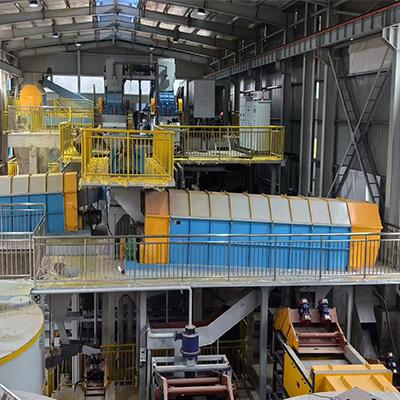
Because copper is often mixed with other materials, efficient recovery requires more than simple manual sorting. Material preparation, MAGNETic separation, eddy current separation, AI sorting, and final quality control can work together to improve recovery and product purity.
The first step is usually material preparation. Mixed scrap streams often contain different PARTICLE SIZES, light materials, dust, fines, wires, plastics, rubber, and irregular pieces. Screening equipment such as a TROMMEL screen can help divide the material into suitable size fractions and create a more stable feed for downstream separation.
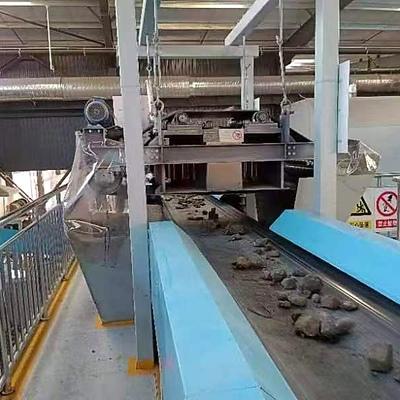
After screening, MAGNETic separation is commonly used to remove iron and steel. This step is important because ferrous metals can contaminate the material stream and affect downstream processing. Removing ferrous metals first also helps protect equipment and prepare the remaining material for non-ferrous metal recovery.
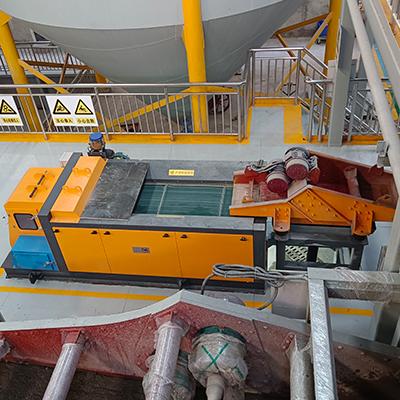
Eddy current separation is a key process for recovering conductive non-ferrous metals. It can help separate aluminum, copper, brass, and other conductive metals from non-metallic materials such as plastics, rubber, glass, and fluff. In many recycling streams, eddy current separation can reduce non-ferrous metal loss and improve the value of recovered materials.
For complex material streams, AI sorting can provide additional upgrading value. Some copper-containing materials, such as insulated wires, circuit board pieces, connectors, and mixed electronic components, may require more precise recognition. AI sorting can help identify selected materials based on visual features and improve final product quality when the upstream process is stable.
Copper recovery is especially important in e-waste and mixed scrap processing. Electronic waste can contain copper wires, circuit boards, motors, transformers, and connectors. If these materials are not separated properly, valuable copper may remain mixed with plastics or low-value residue. A complete sorting system can help recover more copper-rich materials and reduce contamination in final products.
In ASR recycling, copper recovery is also an important part of improving material value. Auto shredder residue can contain wires, small copper pieces, brass, aluminum, plastics, rubber, glass, and fluff. A stable sorting process can help recover more non-ferrous metals from residue streams that may otherwise be treated as low-value material.
In plastic recycling, copper and other metals are often treated as contaminants. Small wires, metal pieces, and conductive particles can damage crushers, granulators, extruders, and pelletizing equipment. Removing these metals before downstream processing helps protect equipment and improve plastic product quality.
The performance of a copper recovery system depends on the actual material condition. Important factors include material size, moisture level, feed layer thickness, metal content, wire content, screen size, magnetic separation efficiency, eddy current rotor speed, belt speed, splitter position, AI sorting accuracy, and target product quality. A good process should be designed according to the real material stream, not only by choosing one machine.
For recycling plants, better copper and non-ferrous metal recovery can bring practical benefits. It can help reduce valuable metal loss, improve product purity, lower manual sorting demand, protect downstream equipment, and increase the value of recovered materials. Even a small improvement in recovery rate can create meaningful long-term value when processing large volumes of material.
CurrenTek provides recycling sorting equipment and complete process solutions for copper recovery and non-ferrous metal separation. Our product range includes EDDY CURRENT SEPARATORs, MAGNETIC SEPARATORs, AI separators, TROMMEL screens, and complete sorting systems.
CurrenTek equipment can be used for ASR recycling, Zorba separation, e-waste recycling, plastic recycling metal separation, IBA metal recovery, GLASS RECYCLING metal removal, copper recovery, aluminum recovery, and mixed scrap processing.
As copper prices continue to move in a volatile market, recycling operators need stable sorting processes that can recover more value from complex material streams. By combining screening, magnetic separation, eddy current separation, and AI sorting when needed, recycling plants can improve metal recovery and create cleaner, higher-value products.
If you are processing ASR, Zorba, e-waste, plastics, IBA, glass, copper-rich materials, or mixed scrap, contact CurrenTek to discuss your material condition, capacity, particle size, and recovery target. Our team can help recommend a practical sorting solution for your recycling operation.
